- hope@aswinonco.in
- Chennai, Tamil Nadu (Online consults for NRI / pan-India)
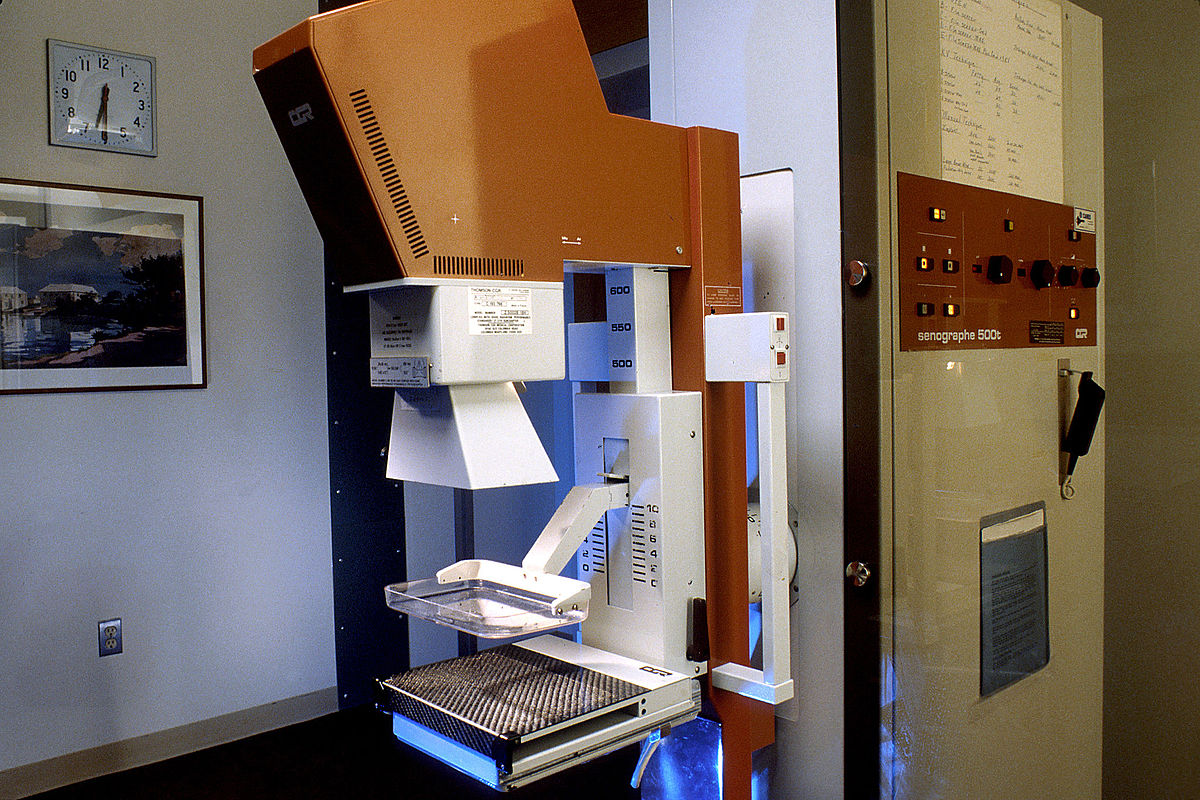
Cancer screening is one of the most powerful tools we have in the fight against cancer. Finding cancer early, often before you have symptoms, increases the chance of successful treatment and long-term survival. Screening tests can detect pre-cancerous areas or early-stage cancers when they are small and have not spread to other parts of the body.
For many common cancers—including breast, cervical, colorectal, and lung cancers—screening protocols are well-established. For instance, mammograms have significantly reduced breast cancer mortality by identifying tumors at a treatable stage. Similarly, Pap smears and HPV testing have made cervical cancer largely preventable by detecting abnormal cell changes early.
"The best cancer treatment is detecting it before it even becomes a threat. Routine screening is an act of self-care that can save your life."
Screening guidelines vary by age, gender, and family history. General recommendations include:
Consult with your oncologist or general physician to create a personalized screening plan based on your risk factors. Remember, early action leads to better outcomes.
Many people avoid screening because they are afraid of the result ("scanxiety"). But consider this: Screening finds cancer when it is curable. Avoiding it doesn't prevent cancer; it just delays finding it until it might be too late.
It's important to know which test is which:
If you have any symptoms (unexplained weight loss, lumps, changing moles), do not wait for a screening camp. See a doctor immediately.
We know why people hesitate. Here is how to tackle those barriers:
You: "Mom/Dad, I love you and want you around for a long time. Will you come with me to get a health checkup next week? I'm going too."
Them: "I feel fine."
You: "I know, and that's the best time to go. It's for my peace of mind as much as your health."