- hope@aswinonco.in
- Chennai, Tamil Nadu (Online consults for NRI / pan-India)
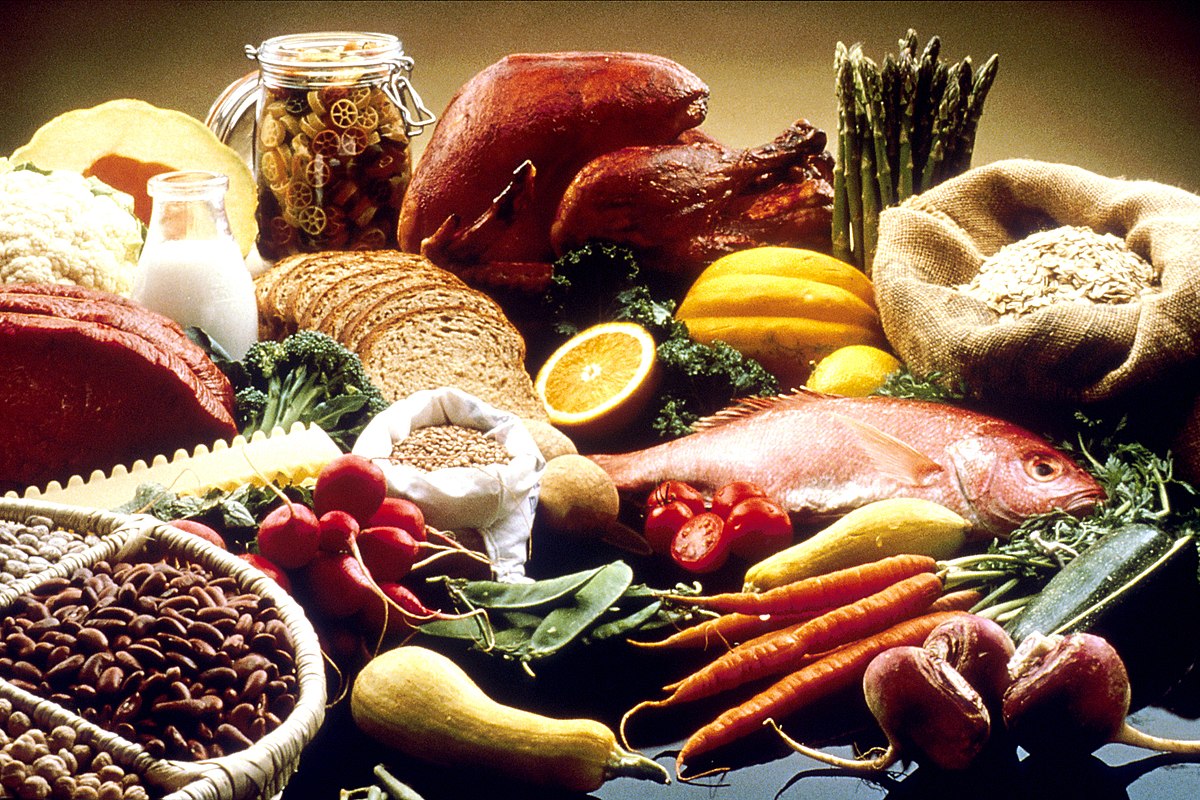
Good nutrition is a vital part of cancer treatment. Eating the right kinds of foods can help you feel better, stay stronger, and better tolerate treatment side effects. However, symptoms like nausea or loss of appetite can make eating difficult.
Dehydration can lead to fatigue and amplify other side effects. Aim to drink 8-10 glasses of fluids daily. If water tastes bland, try lemon water, coconut water, or clear broths. Sucking on ice chips can also help soothe mouth sores.
"Think of food as your body's fuel. Even small amounts of high-quality nutrition can power your recovery."
Rest is important, but total bed rest can actually increase fatigue. Light movement releases endorphins and maintains muscle mass.
Healing happens when you sleep. Cancer treatment can disrupt sleep patterns.
Stress releases cortisol, which suppresses the immune system. Practices like Meditation, Deep Breathing (Pranayama), and Journaling can lower cortisol levels and improve your quality of life.
You may see ads for "Cancer Detox Juice Cleanses." Be careful.
Structure helps when you feel overwhelmed. Try this simple framework:
| Day | Focus | Activity Idea |
|---|---|---|
| Monday | Menu Planning | Plan high-protein meals for the week. |
| Wednesday | Movement | 15-minute gentle walk or chair yoga. |
| Friday | Connection | Call a friend or join a support group. |
| Sunday | Rest & Reset | No chores. Read, nap, or listen to music. |
Many patients take antioxidants (Vitamin C, E) thinking they help. However, some can PROTECT cancer cells from chemotherapy. Always show your doctor every pill you take.
Always consult with our nutrition team before taking any supplements, as some can interact with your treatment. We are here to guide you toward a balanced, healing diet plan.