- hope@aswinonco.in
- Chennai, Tamil Nadu (Online consults for NRI / pan-India)
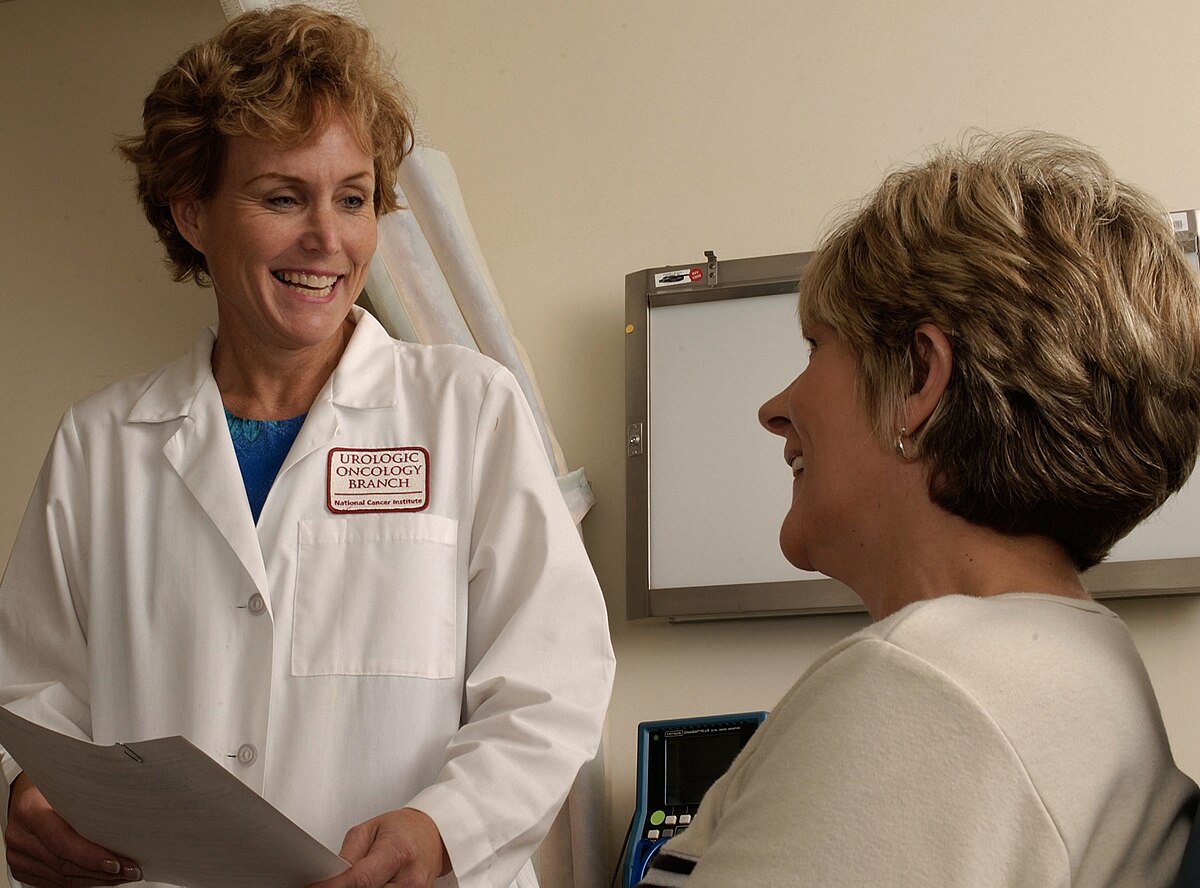
A common misconception is that palliative care is only for end-of-life. In reality, palliative care is supportive care provided to patients at any stage of a serious illness, alongside curative treatment. Its primary goal is to improve quality of life for both the patient and their family.
Cancer and its treatments can cause pain, nausea, fatigue, and breathlessness. Palliative care specialists are experts in managing these symptoms, ensuring you remain as comfortable and active as possible.
A cancer diagnosis affects the entire family unit. Supportive care includes counseling and resources for caregivers, helping them navigate the emotional and logistical challenges of caring for a loved one.
"We don't just treat the tumor; we treat the person. Your comfort and dignity are just as important as your cure."
| Feature | Palliative Care | Hospice Care |
|---|---|---|
| Timing | Any stage of diagnosis | Last 6 months of life |
| Treatment | Alongside curative treatment | Comfort care only (No chemo) |
A cancer diagnosis brings anxiety and depression. Our team includes counselors who help you process these emotions. We believe mental well-being is half the battle.
It's a tough topic, but planning ahead reduces stress. We help you with:
You cannot pour from an empty cup. Caregivers need support too:
If you or a loved one are struggling with symptoms, ask about palliative care options early. It is not about giving up; it is about living well.